Whole House Generator Sizing Guide: How To Choose The Right Size For Your Home
Choosing the right standby generator for your home isn't as simple as matching wattage numbers. Whole-house generator sizing determines how much power your system needs to run essential appliances or your entire home during an outage. Selecting the wrong size can lead to system failure, equipment damage, or wasted money.
This guide from
Southern HVAC walks you through real-world sizing, accurate calculations, and expert recommendations, helping homeowners in Hammond, LA, and across Southeast Louisiana confidently choose the correct
generator size for their home.
Key Takeaways
- Whole-house generator sizing requires calculating running watts, starting watts, and adding a safety margin.
- HVAC systems are the largest power demand and must be prioritized in sizing.
- Incorrect sizing leads to overload, inefficiency, or unnecessary costs.
- Most homes require 15–26 kW, depending on size and usage.
- Generators should operate below 80% capacity for optimal performance.
What Are The Power Requirements Of A Whole House Generator?
The total power demand of a home depends on which appliances and systems you need to run during an outage. The largest load in most homes is the HVAC system, which also creates the highest startup surge.
A typical central AC unit requires:
- 3,500 – 5,000 running watts
- 6,000 – 10,000 starting watts
A compressor creates a surge load through inrush current. This surge lasts 1–3 seconds during startup, but your generator must handle peak demand without a voltage drop.
Most central AC units draw 60–100 Locked Rotor Amps (LRA), making HVAC the most critical factor when sizing a whole-house generator.
Why Are Starting Watts Critical For Generator Sizing?
Starting watts determine generator capacity because compressors require a high inrush current. If the generator lacks surge capacity:
- AC fails to start
- Generator overloads or shuts down
- Electrical components degrade faster
Starting watts enable operation, while running watts sustain continuous performance
Step-By-Step: How To Calculate Generator Size
Generator sizing requires adding the running load and the largest surge load, then applying a safety margin
Step 1: List Your Essential Appliances
Include only essential loads to reduce generator size:
- HVAC system consumes the highest power
- A refrigerator preserves food safety
- Lighting circuits provide visibility
- A well pump supplies water
- Medical devices ensure continuity
Reducing non-essential loads lowers the required kW capacity.
Step 2: Calculate Total Running Watts
Add up the continuous (running) wattage of all selected appliances.
Step 3: Add The Largest Starting Surge
Include only the largest single surge load (typically AC or well pump).
Step 4: Apply A Safety Margin
Add 20–25% extra capacity to prevent overload and allow future expansion.
- Prevents continuous 100% load operation
- Supports additional appliances
- Improves generator lifespan
Example Calculation
A typical 2,000 sq ft home in Southeast Louisiana with central AC, refrigerator, lighting, and a well pump:
| Component | Watts |
|---|---|
| Running Load | 7,500 |
| Largest Surge (AC) | 8,000 |
| Total | 15,500 |
| +25% Margin | 19,375 |
Recommended generator size: 20 kW standby generator for whole-home backup
What Size Generator Do You Need For Your Home?
If you need a quick estimate, square footage can provide a starting point:
- Under 1,500 sq ft: 10 – 15 kW
- 1,500 – 3,000 sq ft: 15 – 20 kW
- Over 3,000 sq ft: 25 – 48+ kW
Keep in mind: Homes in Southeast Louisiana with electric heating, EV chargers, or multiple AC units will require more capacity.
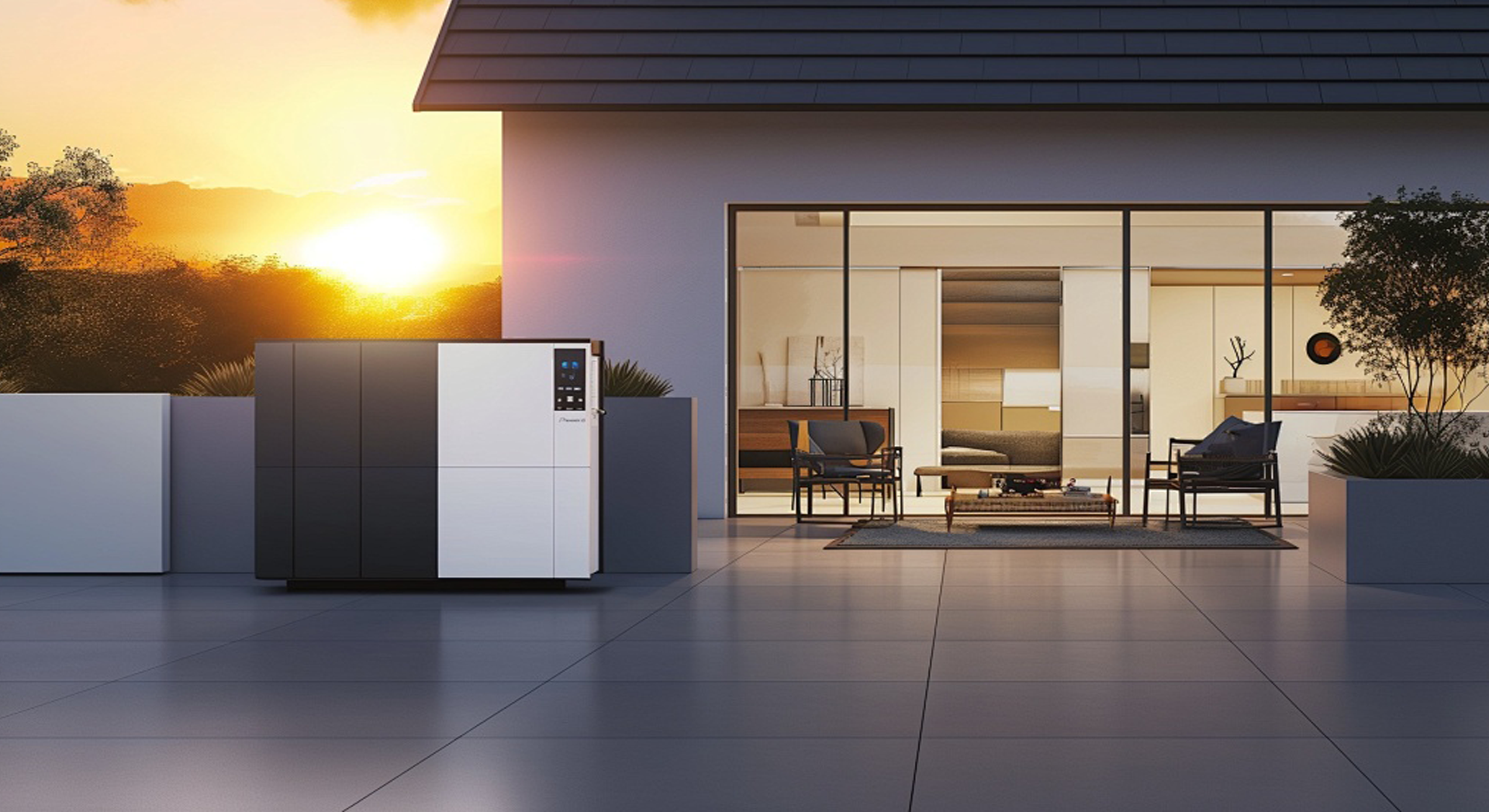
For homeowners in Hammond, LA, common generator sizes include:
- 13kW – Essential circuits for smaller homes
- 18kW – 22kW – Partial to full coverage
- 26kW – Whole-home coverage including HVAC
What Happens If Your Generator Is Too Small Or Too Large?
Choosing the wrong generator size can lead to performance issues, higher operating costs, and long-term reliability problems. Both undersized and oversized generators come with distinct disadvantages.
Undersized Generator
A generator that is too small cannot handle the required load, especially during startup surges. This can result in:
- Failure to start high-demand systems like HVAC
- Frequent overloads and unexpected shutdowns
- Increased wear and potential damage to electrical components
Oversized Generator
A generator that is too large may seem like a safe choice, but it can lead to inefficiencies such as:
- Higher upfront purchase and installation costs
- Reduced efficiency when operating at partial load
- Increased fuel consumption over time
Why Proper Sizing Matters
Proper generator sizing ensures the system operates efficiently, handles peak demand reliably, and maintains safe operating conditions for all connected equipment.
What Are Alternative Ways To Estimate Generator Size?
Using Electricity Bills
Peak usage determines generator size.
- Identify the highest monthly kWh usage
- Convert to kW demand
- Add 20–25% margin
Using Load Management Systems
- The system automatically disconnects non-essential loads
- Smaller generator handles critical loads
Using Transfer Switch Prioritization
- Transfer switches separate essential and non-essential circuits.
- Automatic Transfer Switch (ATS) improves reliability
- Manual switch reduces cost
What Are Best Practices For Generator Sizing?
- Operate the generator at ≤80% capacity
- Add 20–25% safety margin
- Plan for future loads (EV, HVAC upgrades)
- Consider Southeast Louisiana’s high cooling demand
- Soft starters can reduce AC startup surge by 30–70%, allowing smaller generator sizing
What Installation And Code Requirements Apply?
Standby generator systems require:
- Automatic Transfer Switch (ATS)
- NEC compliance
- Local permits
Licensed professionals ensure safe, code-compliant installation and long-term reliability.
Maintenance Tips For Long-Term Performance
Routine maintenance is essential to ensure your generator works when you need it most.
A commonly recommended guideline is the 20/20/20 rule:
- Run the generator for 20 minutes
- At a minimum of 20% load
- Every 20 days
Additional best practices:
- Check oil and coolant levels regularly
- Test the battery monthly
- Schedule professional servicing at least once per year
How To Choose The Right Generator For Your Home
When comparing generator options, consider:
- Total capacity (kW rating)
- Fuel type (natural gas, propane, or diesel)
- Transfer switch compatibility
- Warranty coverage
- Availability of local service and support
Before making a final decision, it’s always best to request a professional load calculation for maximum accuracy.
Get Professional Help With Generator Sizing
Choosing the right generator doesn’t have to be complicated. A professional assessment ensures accurate sizing, safe installation, and long-term performance.
Southern HVAC’s Home Standby Generators Service in Hammond, LA, provides detailed load calculations and tailored recommendations based on your home’s actual power needs.
Schedule a professional generator sizing assessment in Hammond, LA, and get a system specifically designed to match your home’s power requirements and outage needs.
FAQs
What size generator do you need for a 2,000 sq ft home?
A 2,000 sq ft home typically requires 15–20 kW, depending on HVAC load and appliance usage.
Can a 20 kW generator run a whole house?
A 20 kW generator can power most homes if the total running load and surge demand stay within capacity.
How often should you test a generator?
Test every 20 days using the 20/20/20 rule and schedule yearly inspections.
Can a generator run an air conditioner?
A generator can run an AC if it supports the unit’s starting wattage and LRA surge demand.
Which fuel type is best for standby generators?
Natural gas provides a continuous supply, while propane offers storage flexibility. Availability determines the best option.