How Much Does A New HVAC System Cost?
A new HVAC system typically costs $5,000 to $22,000 installed in 2026, with an average national cost of about $7,500. Equipment type, system capacity, efficiency, ductwork, and installation complexity can significantly affect the final price. Louisiana homeowners should compare project-specific estimates rather than relying on national averages alone.
Key Takeaways
- A 2026 national HVAC replacement benchmark from Angi places typical costs at $5,000–$22,000, with an average of about $7,500.
- Central AC replacement commonly costs $3,900–$7,900, while ductless HVAC installation ranges from $4,350–$12,250.
- Air-source heat pump installation commonly costs about $4,244–$7,938, depending on equipment, home requirements, and installation complexity.
- Existing ductwork can keep replacement costs lower, while new or extensively modified ducts can add thousands of dollars.
- Southern HVAC offers free replacement estimates, professional load calculations, Trane equipment, and Synchrony financing for qualifying Louisiana homeowners.
How Much Does a New HVAC System Cost in 2026?
A complete HVAC replacement generally costs $5,000 to $22,000 in 2026, with Angi reporting an average cost of approximately $7,500; equipment type, system size, efficiency, ductwork, and installation scope account for much of the difference.
A straightforward replacement using existing ductwork may stay closer to the typical range, while projects involving new ducts, higher-efficiency equipment, zoning, electrical modifications, or other upgrades can cost considerably more. Angi notes that new ductwork and additional features can push a project toward the upper end of the national range.
For comparison, Southern HVAC currently advertises an example of a new Trane system at approximately $11,500, including the system installation, thermostat, and setup. Actual pricing depends on the property and selected equipment, so this figure should be treated as an example rather than a fixed price for every installation.
| HVAC Project | Typical 2026 Cost Range | What Can Affect the Price |
|---|---|---|
| Complete HVAC Replacement | $5,000–$22,000 | Equipment, capacity, efficiency, labor, ductwork |
| Central AC System | $3,900–$7,900 | Home size, cooling capacity, existing ducts |
| Air-Source Heat Pump | $4,500–$8,000 | Capacity, efficiency, installation requirements |
| Ductless HVAC System | $4,350–$12,250 | Number of indoor zones and installation complexity |
| Gas Furnace | $3,800–$10,000 | Furnace size, efficiency, gas connections |
| New Ductwork + HVAC | Can exceed standard replacement pricing substantially | Home layout, duct length, accessibility |
These are U.S. national budgeting ranges, not Hammond-specific quotes. Angi's 2026 data supports the $5,000–$22,000 overall replacement range, $3,900–$7,900 central AC range, and $4,350–$12,250 ductless range.
A professional estimate based on the home's actual heating and cooling load, equipment requirements, and existing HVAC infrastructure provides a much more accurate replacement price than a national average.
What Is Included in the Cost of a New HVAC System?
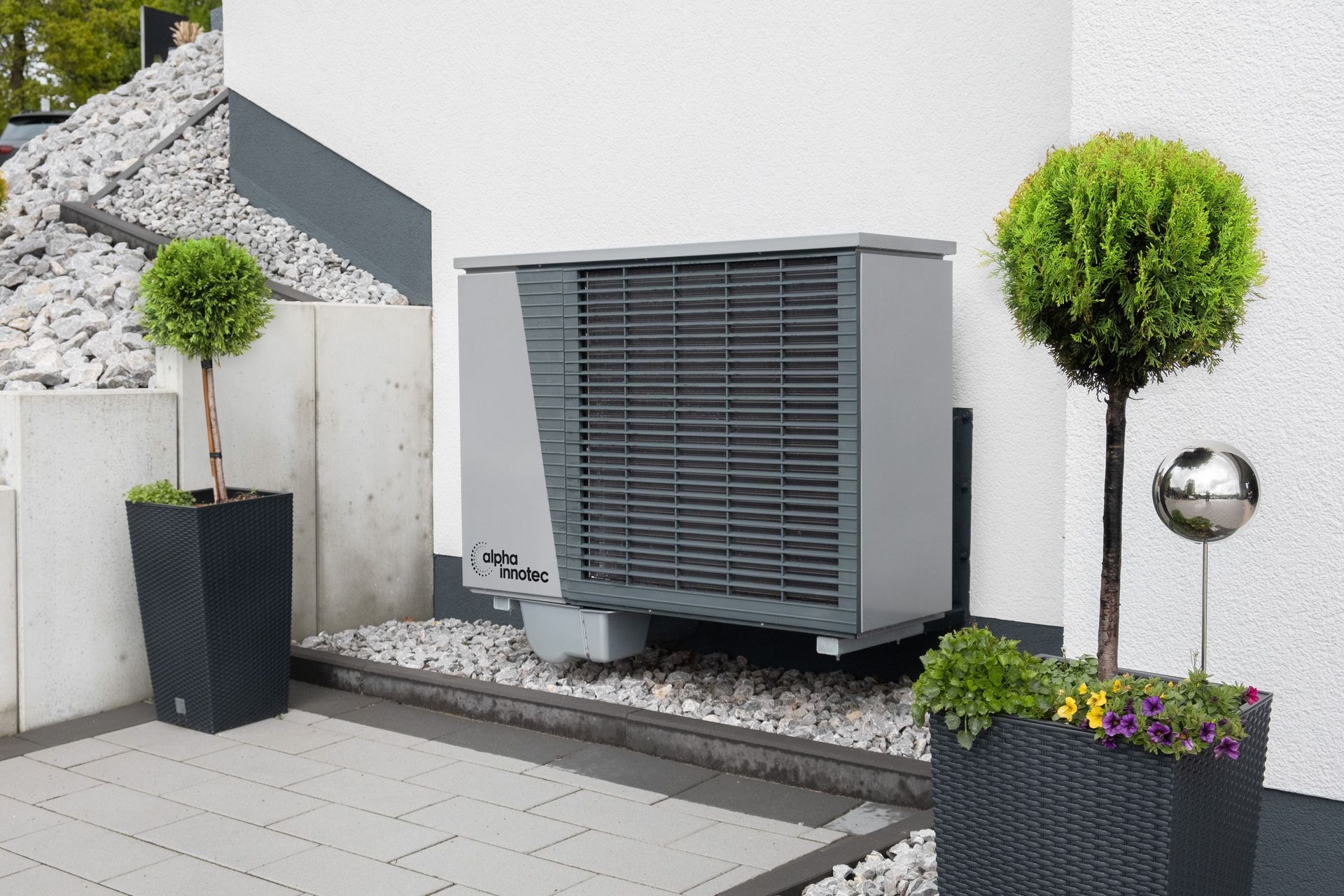
A new HVAC installation includes more than the outdoor condenser or heat pump because equipment, labor, setup, controls, removal, and system commissioning all contribute to the installed price.
A typical replacement may involve:
- Outdoor condenser or heat pump
- Indoor evaporator coil or air handler
- Furnace, when applicable
- Thermostat and controls
- Refrigerant line inspection, reuse, replacement, or modification when required
- Electrical connections
- Condensate drainage
- Removal of existing equipment
- Installation labor
- System startup and testing
- Applicable permits
- Manufacturer warranty registration when included in the installation scope
Additional work may be required when the existing duct system, electrical service, refrigerant lines, drain system, or equipment platform cannot properly support the replacement system.
That distinction matters when comparing estimates. A low equipment-only price is not the same as the final installed cost of a properly sized and commissioned HVAC system.
For example, Southern HVAC states that factory warranty registration is included on qualifying Trane system installations, while applicable parts and labor warranty coverage applies to qualifying repairs and replacements.
What Factors Affect HVAC Replacement Cost?
HVAC replacement cost is primarily determined by equipment type, system capacity, efficiency, ductwork condition, installation complexity, and the home's existing infrastructure.
| Cost Factor | Why It Matters |
|---|---|
| System Type | Central AC, heat pumps, furnaces, and ductless systems have different equipment and installation requirements. |
| System Capacity | Larger-capacity equipment generally costs more than smaller systems. |
| Efficiency Rating | Higher-efficiency equipment typically has a higher initial purchase price. |
| Ductwork | Damaged, undersized, or missing ducts can significantly increase installation costs. |
| Home Layout | Attics, crawl spaces, long refrigerant runs, and difficult equipment access can increase labor. |
| Electrical Requirements | Some replacements require electrical or disconnect upgrades. |
| Comfort Features | Variable-speed equipment, zoning, smart controls, and indoor air quality upgrades increase project scope. |
| Existing Equipment | Replacing compatible equipment is generally simpler than converting to a different HVAC configuration. |
Two homes with similar square footage can therefore receive very different estimates. Square footage can help provide context, but equipment selection should follow an appropriate heating and cooling load calculation rather than square footage alone.
Southern HVAC states that its HVAC process uses load calculations to help determine the appropriate system size for Louisiana homes.
Does a Higher-Efficiency HVAC System Cost More?
Higher-efficiency HVAC equipment generally costs more upfront, but the financial value of a higher rating depends on operating hours, utility rates, equipment sizing, installation quality, and how long the system remains in service.
Cooling efficiency is commonly expressed through SEER2, while heat pump heating performance may also be measured using HSPF2. Furnace efficiency is expressed as AFUE.
Higher efficiency can reduce the electricity or fuel required to provide comparable heating or cooling under standardized rating conditions, but the highest available efficiency rating is not automatically the best financial choice for every property.
The practical comparison should include:
- Initial installed price
- Expected annual operating cost
- How long the homeowner expects to remain in the property
- Louisiana's long cooling season
- Equipment features and comfort improvements
- Warranty coverage and maintenance requirements
- Expected system operating conditions and installation quality
For Louisiana homes that depend heavily on air conditioning for much of the year, efficiency can have a greater long-term impact than it would in a climate with a short cooling season.
The final decision should compare the additional upfront cost with the expected operating savings rather than choosing equipment solely because it has the highest available efficiency rating.
Repair vs. Replace: When Is a New HVAC System Worth It?
HVAC replacement becomes more practical when an aging system has repeated failures, requires a major repair, provides inconsistent comfort, or becomes increasingly expensive or difficult to maintain.
A repair still makes sense for many newer systems with isolated component failures. Replacement deserves closer consideration when repair costs begin accumulating on equipment that is approaching or beyond its expected service life.
| Consideration | Repair May Make More Sense | Replacement May Make More Sense |
|---|---|---|
| Equipment Age | Relatively new system | Older system approaching or beyond its expected service life |
| Repair History | First significant repair | Repeated breakdowns |
| Repair Cost | Minor component failure | Major compressor or coil failure |
| Comfort | Consistent cooling and humidity control | Hot spots or poor humidity control |
| Energy Use | Stable utility costs | Increasing operating costs |
| Refrigerant | Current, serviceable equipment | Older equipment with refrigerant or component availability concerns |
System age alone should not determine the decision. The evaluation should consider future ownership cost, repair history, comfort, efficiency, refrigerant, equipment condition, and the cost of the proposed repair.
An older R-22 system, for example, can remain serviceable, and EPA does not require homeowners to replace or convert existing HCFC-22 equipment. However, refrigerant availability, repair cost, and equipment age can make replacement worth considering.
Southern HVAC provides free estimates on qualifying complete system replacements, allowing homeowners to compare repair and replacement options before deciding.
What Should Louisiana Homeowners Consider Before Replacing HVAC?
Louisiana HVAC replacements should prioritize cooling capacity, humidity control, airflow, efficiency, duct condition, and equipment durability because systems can operate for long periods during hot and humid weather.
Hammond and surrounding Northshore communities experience a much longer cooling season than many northern U.S. markets. HVAC systems therefore accumulate substantial operating hours each year.
Humidity Control
Air conditioning in Louisiana needs to manage both temperature and indoor moisture, so equipment sizing, airflow, runtime, and system design all affect humidity control.
Proper sizing and airflow help the system operate under conditions that support moisture removal. Variable-speed equipment can provide additional part-load control by adjusting output as cooling demand changes, although equipment selection and system design still determine actual humidity performance.
Long Cooling Seasons
Extended air-conditioning runtime can make efficiency more important because differences in operating efficiency can accumulate over years of frequent use.
Even modest differences in efficiency can affect long-term energy consumption, but actual savings depend on equipment sizing, operating conditions, utility rates, duct performance, and installation quality.
Storms and Electrical Conditions
Louisiana thunderstorms and tropical weather can expose HVAC equipment to electrical disturbances, making electrical conditions and equipment protection worth evaluating during replacement planning.
Electrical service, disconnects, grounding, code compliance, and surge protection options can be reviewed as part of the installation.
Duct Condition
Duct leakage, inadequate insulation, restrictions, or poor design can reduce comfort and system performance even when the replacement equipment itself has a high efficiency rating.
Ducts routed through hot attics can lose conditioned air when insulation or sealing is inadequate. A new high-efficiency system may not deliver its expected comfort or energy performance if significant duct leakage or airflow restrictions remain.
How Long Does HVAC Installation Take?
A straightforward residential HVAC replacement can often be completed within one working day, while installations involving ductwork, electrical changes, multiple zones, or equipment relocation may take longer.
The installation process typically includes:
- Removing the existing equipment
- Preparing the indoor and outdoor installation areas
- Installing the replacement equipment
- Connecting refrigerant, electrical, drainage, and duct components
- Installing or configuring the thermostat
- Evacuating and charging the refrigerant circuit as required
- Testing airflow and system operation
- Completing final startup and commissioning
Installation time should not be shortened at the expense of commissioning. Proper refrigerant charge, airflow, drainage, thermostat operation, and equipment controls all need to be verified before the system is placed into normal service.
How Can Financing Affect the Upfront Cost?
HVAC financing can spread a large replacement expense across monthly payments instead of requiring the entire installed cost upfront, but homeowners should compare the full financing terms rather than the monthly payment alone.
Southern HVAC offers financing through Synchrony for qualifying HVAC replacements and installations. Financing is subject to credit approval and the terms of the specific promotional offer.
Southern HVAC has also advertised qualifying replacement offers with financing options, including an example of a Trane system at approximately $11,500, or about $160 per month for 72 months under the advertised promotional terms.
That example is not a universal HVAC price or guaranteed payment. Equipment selection, project scope, financing approval, promotional availability, and dealer terms can all change the final amount.
When comparing financing, homeowners should evaluate:
- Total financed cost
- Promotional period
- Interest terms
- Monthly payment
- Dealer fees
- Applicable fees or conditions
- What happens when the promotional period ends, if applicable
Promotional offers can change, so current financing terms should be confirmed with Southern HVAC before purchase.
How Should Homeowners Compare HVAC Replacement Estimates?
The best HVAC estimate is not necessarily the lowest price; it is the estimate that clearly explains equipment, sizing, installation scope, warranty, commissioning, and any additional work required.
Before comparing two replacement proposals, homeowners should check whether each quote identifies:
- Equipment model and system type
- Heating and cooling capacity
- Efficiency ratings such as SEER2, HSPF2, or AFUE when applicable
- Whether a load calculation is used for sizing
- Indoor and outdoor equipment included in the system
- Thermostat or controls
- Ductwork modifications, if any
- Electrical or condensate modifications
- Equipment removal and disposal
- Permits and applicable fees
- Manufacturer and labor warranty coverage
- Startup and commissioning procedures
This comparison helps homeowners avoid choosing an estimate based only on equipment price.
Book HVAC Services With Southern HVAC
A new HVAC system is a major investment, and the right replacement starts with an accurate evaluation rather than choosing equipment from a price chart.
Southern HVAC serves Hammond, Ponchatoula, Covington, Mandeville, Madisonville, Slidell, and surrounding Louisiana communities with professional HVAC installation, replacement, repair, and maintenance services. Our team brings more than
25 years of HVAC industry experience, provides
free estimates on system replacements, and offers Synchrony financing for qualified homeowners.
FAQs
How much does a new HVAC system cost in Hammond, LA?
A new HVAC system can generally cost $5,000 to $22,000 installed, based on current national replacement data, but Hammond pricing depends on system type, capacity, efficiency, ductwork, and installation requirements. Southern HVAC provides free replacement estimates so homeowners can receive project-specific pricing rather than relying solely on national averages.
What is the biggest factor affecting HVAC replacement cost?
Equipment type, system capacity, and installation scope are among the biggest factors affecting HVAC replacement cost. Existing ductwork can also make a substantial difference because major duct modifications or complete replacement can add thousands of dollars to an installation. Proper load calculations help determine the appropriate equipment capacity before installation.
Is a heat pump cheaper than a traditional HVAC system?
An air-source heat pump commonly costs about $4,244 to $7,938 to install, based on 2026 national data from Angi. Because a heat pump can provide both heating and cooling, comparing its price directly with an AC-only system can be misleading. The appropriate comparison depends on which heating and cooling components the project replaces.
Does a high-SEER2 HVAC system save money?
A higher-SEER2 system can use less electricity for comparable cooling under standardized rating conditions, but actual savings depend on equipment price, cooling demand, utility rates, sizing, duct performance, installation quality, and operating conditions. Louisiana's extended cooling season can make efficiency particularly relevant, but the highest rating is not automatically the best financial choice.
Should I replace ductwork when replacing my HVAC system?
Ductwork does not automatically need replacement with a new HVAC system. Existing ducts can often remain when they are properly sized, sealed, insulated, and structurally sound. Damaged, leaking, undersized, or poorly designed ducts should be corrected because airflow problems can reduce the comfort and efficiency of new equipment.
How do I know whether to repair or replace my HVAC system?
Replacement deserves consideration when an HVAC system is roughly 12 to 15 years old and develops expensive or repeated problems. A newer system with a minor isolated failure is often worth repairing. System age, repair history, comfort, efficiency, refrigerant type, and the cost of the proposed repair should all be considered together.
About the Author
Reviewed by William G., Owner of Southern HVAC LLC and HVAC professional with more than 25 years of industry experience serving Hammond and Louisiana's Northshore and Southshore communities.
Last updated: August 2026