Is Electric Heat Cheaper Than Gas? A Complete Cost Comparison
Electric heat versus gas heat costs vary by utility rates, climate zone, equipment efficiency, and home insulation levels. This guide from
Southern HVAC provides a clear, data-driven comparison to answer
“is electric heat cheaper than gas”, using real cost examples, efficiency ratings, and long-term operating projections.
Key Takeaways
- Gas heat usually costs less in cold climates because natural gas delivers a lower cost per BTU during extended subfreezing temperatures.
- Heat pumps cost less in mild climates because they transfer heat efficiently with a COP between 2.5 and 4.0.
- Electric resistance heat costs the most to operate due to higher electricity rates per kWh.
- Installation costs differ significantly, with electric furnaces typically costing less upfront than gas furnaces or heat pumps.
- Local utility rates ultimately determine whether electric or gas heating delivers lower monthly and long-term costs.
Gas Vs. Electric Heating: How Each System Works
Understanding the core differences between types of heating systems helps clarify cost differences, efficiency expectations, and performance in different climates.
Gas Heating Systems
A gas furnace burns natural gas inside a sealed combustion chamber. Heat from combustion passes through a heat exchanger, and a blower distributes warmed air through ductwork into the home.
Efficiency measurement:
- AFUE (Annual Fuel Utilization Efficiency)
- Modern units: 80%–98% AFUE
- A 95% AFUE furnace converts 95% of fuel into usable heat
Key attributes:
- Requires a natural gas line and venting
- Produces combustion exhaust
- Lifespan: 15–20 years
- Maintains full heating output in subfreezing temperatures
Electric Heating Systems
Electric heating systems operate through electric resistance heating or heat pump technology.
1. Electric Resistance Heating
Electric resistance systems convert electricity directly into heat.
- Efficiency: ~100% at point of use
- No combustion loss
- Higher operating cost per BTU
Although electric resistance heat is technically 100% efficient inside the home, electricity generation and transmission losses occur at the power plant level and are not reflected in this rating.
2. Heat Pumps
Heat pumps transfer heat rather than generate it.
- Efficiency metric: COP (Coefficient of Performance)
- Typical COP: 2.5–4.0
- COP 3.0 = 300% heat output relative to electricity input
Because heat pumps move heat instead of creating it, they can deliver more energy than they consume under moderate outdoor conditions. However, as outdoor temperatures drop below freezing, heat pump efficiency declines, and auxiliary heat may be required.
Installation Costs: Gas Vs. Electric Heating
Many homeowners researching “is electric heat cheaper than gas?” focus first on installation cost.
| System Type | Average Installed Cost | Additional Costs |
|---|---|---|
| Gas Furnace | $4,500–$9,000 | Venting, gas line |
| Electric Furnace | $2,000–$5,000 | Panel upgrade ($1,500–$3,000 if needed) |
| Heat Pump | $6,000–$12,000 | Duct modifications possible |
Electric resistance systems typically have lower upfront installation costs. Heat pumps typically cost more initially but may reduce long-term operating costs in mild climates.
Energy Bills: Is Gas Or Electric Cheaper Per Month?
Monthly operating costs depend on energy rates and system efficiency.
Note: The following example uses national average utility assumptions of approximately $0.15 per kWh for electricity and $1.30 per therm for natural gas. Actual costs vary by region.
| Factor | Gas Furnace (95% AFUE) | Electric Resistance | Heat Pump (COP 3.0) |
|---|---|---|---|
| Cost per 100k BTU | ~$1.50 | ~$4.69 | ~$1.56 |
| Efficiency | 80–98% AFUE | ~100% | 250–400% |
| Cold Weather Output | Stable | Stable | Declines below 32°F |
| Monthly Cost (Cold Climate) | Lower | Highest | Moderate |
| Monthly Cost (Mild Climate) | Moderate | High | Lowest |
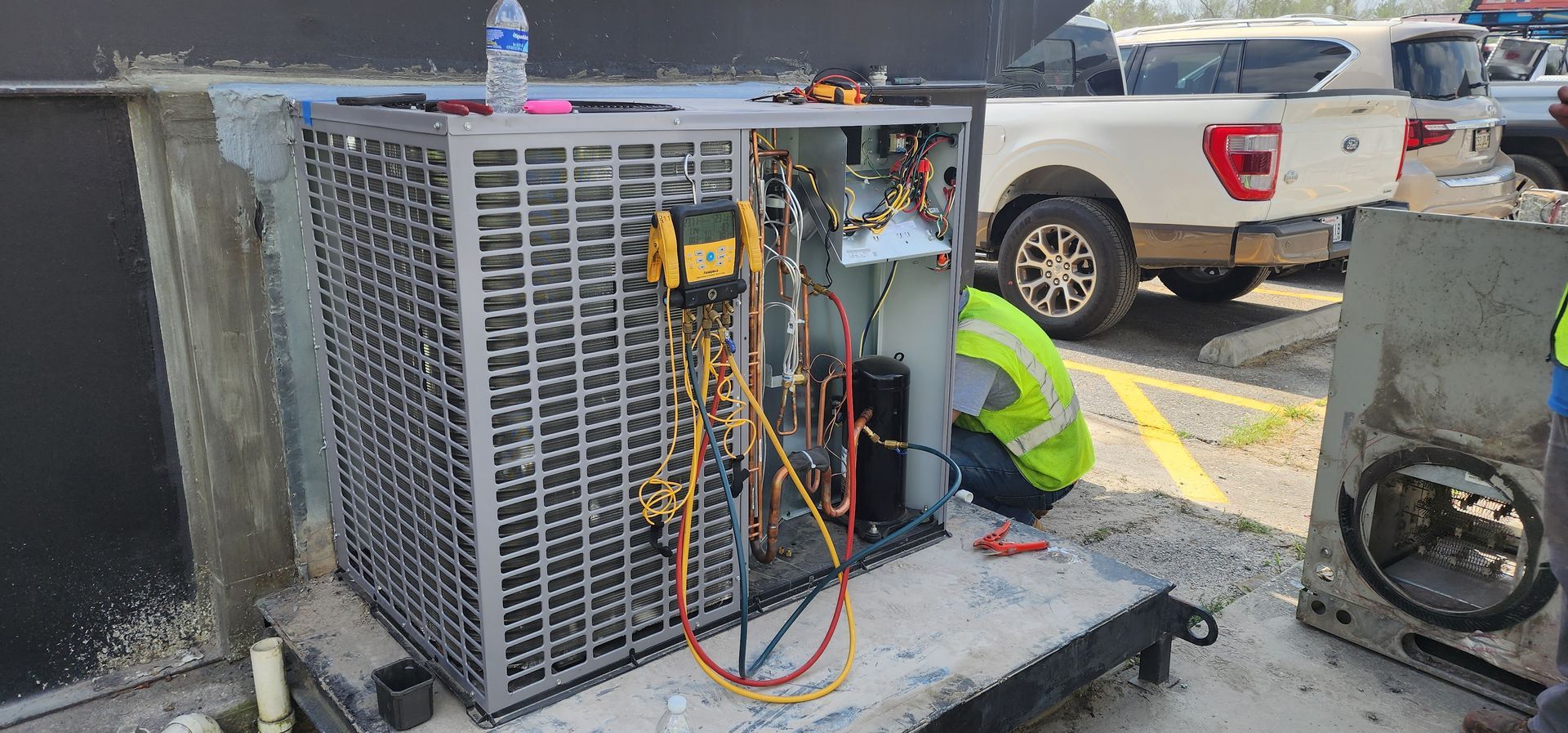
In colder regions where heating demand is high and sustained, natural gas is typically cheaper per BTU.
In moderate climates where winter temperatures remain above freezing, high-efficiency heat pumps can compete with and sometimes outperform gas furnaces in operating cost.
According to the U.S. Energy Information Administration (EIA), electricity prices fluctuate more significantly by region than natural gas prices, which can shift cost comparisons locally.
Maintenance Cost And Long-Term Heating Costs
Gas Furnace Maintenance
Gas furnaces require annual inspection because combustion components degrade over time. Technicians inspect burners, heat exchangers, safety controls, and venting systems to ensure safe operation.
Annual maintenance typically costs $120–$300 and reduces the risk of carbon monoxide issues and major repairs.
Electric Furnace Maintenance
Electric furnaces require less frequent servicing because they do not burn fuel. Maintenance focuses on heating elements, electrical connections, and blower motors.
With fewer combustion components, electric systems generally have lower annual maintenance costs.
Heat Pump Maintenance
Heat pumps require biannual service because they operate year-round for both heating and cooling. Technicians inspect refrigerant levels, coils, compressors, reversing valves, and electrical components.
Because heat pumps operate year-round, component wear may occur sooner than in single-season systems, potentially increasing long-term maintenance costs. If your system runs but does not deliver warm air as expected, learn why your heater may be blowing cold air and when it signals a system issue.
Which Heating System Is Best For Your Home?
The best heating system depends on measurable factors such as climate zone, local utility rates, home insulation level, square footage, and access to gas infrastructure.
When Electric Heat May Be Cheaper
Electric heat may cost less in mild climates where winter temperatures stay above 35°F. High-efficiency heat pumps with a COP above 3.0 significantly reduce cost per BTU.
Electric systems also become competitive when:
- Natural gas prices rise above $1.80 per therm
- Homes are well insulated with low heating demand
- Duct losses are minimized
- Local incentives favor electrification, or heat pump rebates, which reduce upfront cost
When Gas Heat May Be More Cost-Effective
Gas heat becomes more cost-effective in colder climates with extended subfreezing temperatures. Furnaces maintain a stable output regardless of outdoor conditions.
When natural gas costs fall below $1.20 per therm, gas systems typically deliver lower monthly heating costs, especially in larger homes over 2,500 square feet with high heating demand.
Should You Switch From Gas To Electric?
Switching from gas to electric heating requires a technical evaluation of your home’s infrastructure and long-term energy costs.
Key considerations include:
- Electrical panel capacity (often 200-amp service for heat pumps)
- Duct compatibility
- Insulation quality
- Local utility rate trends
- Total installation and labor costs
Improper system sizing can reduce efficiency by 10–20% and shorten equipment lifespan. A licensed HVAC professional should perform a full load calculation before recommending a change.
Why Professional Installation Matters
Proper system sizing improves efficiency by 10–20% and prevents premature wear. Incorrect installation can increase energy consumption, reduce comfort, and void manufacturer warranties. Licensed technicians ensure correct combustion setup, refrigerant charge accuracy, airflow balance, and manufacturer warranty compliance.
Get A Personalized Heating Cost Analysis From Southern HVAC
Searching for heating services in Hammond, LA? Southern HVAC provides professional in-home evaluations, detailed energy cost comparisons, and code-compliant installation estimates tailored to your home’s heating needs.
Our team performs proper load calculations, reviews your current utility usage, and helps you determine whether gas or electric heating delivers the best long-term value for your property.
Contact us today to schedule your personalized heating cost analysis.
FAQs
Is electric heat more expensive to run than gas?
Yes, electric resistance heat usually costs more per BTU because electricity rates per kWh are higher than natural gas per therm. Heat pumps reduce electric operating costs and can compete with gas in moderate climates.
Why is electric heat considered 100% efficient?
Electric resistance heating converts nearly all incoming electricity into heat at the point of use. It does not lose energy through combustion exhaust. Power plant generation losses are not included in this efficiency rating.
Do heat pumps cost less than gas furnaces?
Heat pumps often cost less to operate in climates where winter temperatures remain above 35°F. In colder regions, high-efficiency gas furnaces maintain stronger performance and more stable operating costs.
Is gas heat better in very cold climates?
Yes. Gas furnaces maintain full heating capacity during subfreezing temperatures. Heat pump efficiency declines as outdoor temperatures drop unless cold-climate models are installed.
Does electric heating increase home value?
Home value impact depends on region and buyer demand. High-efficiency heat pumps improve appeal in warm climates. Gas heating systems remain preferred in colder areas with established gas infrastructure.